royalwindowsystem1@gmail.com
 9815884344
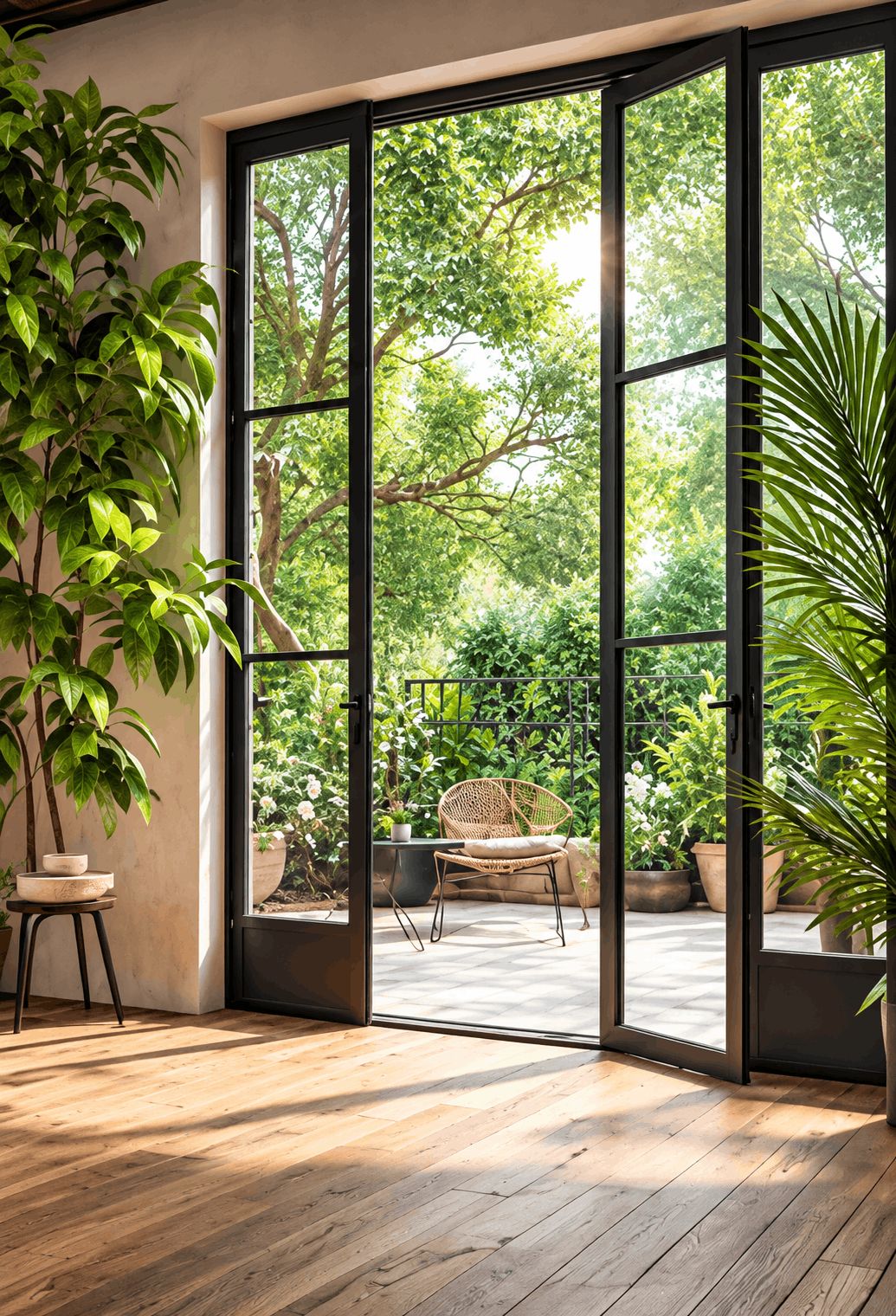
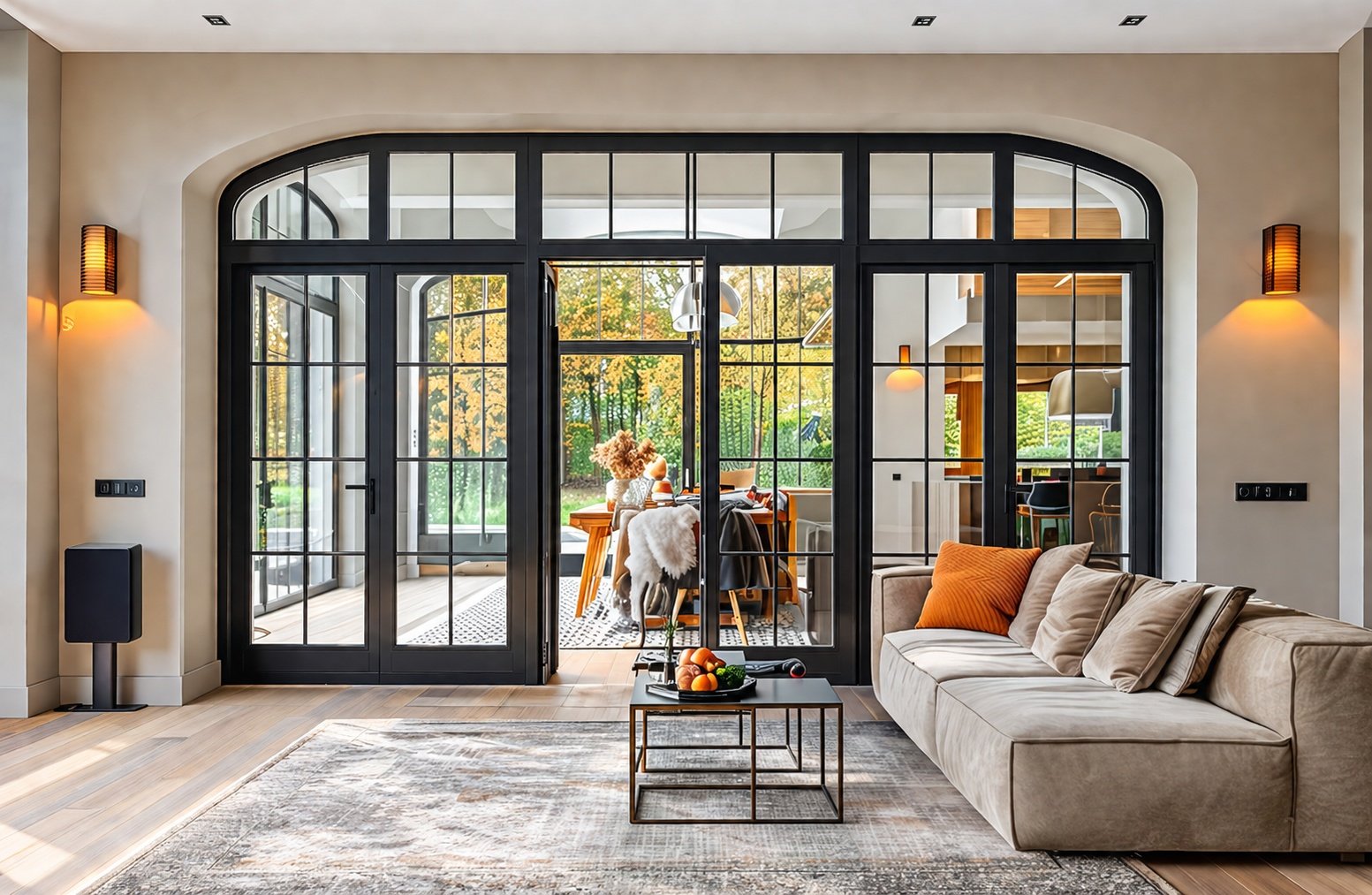
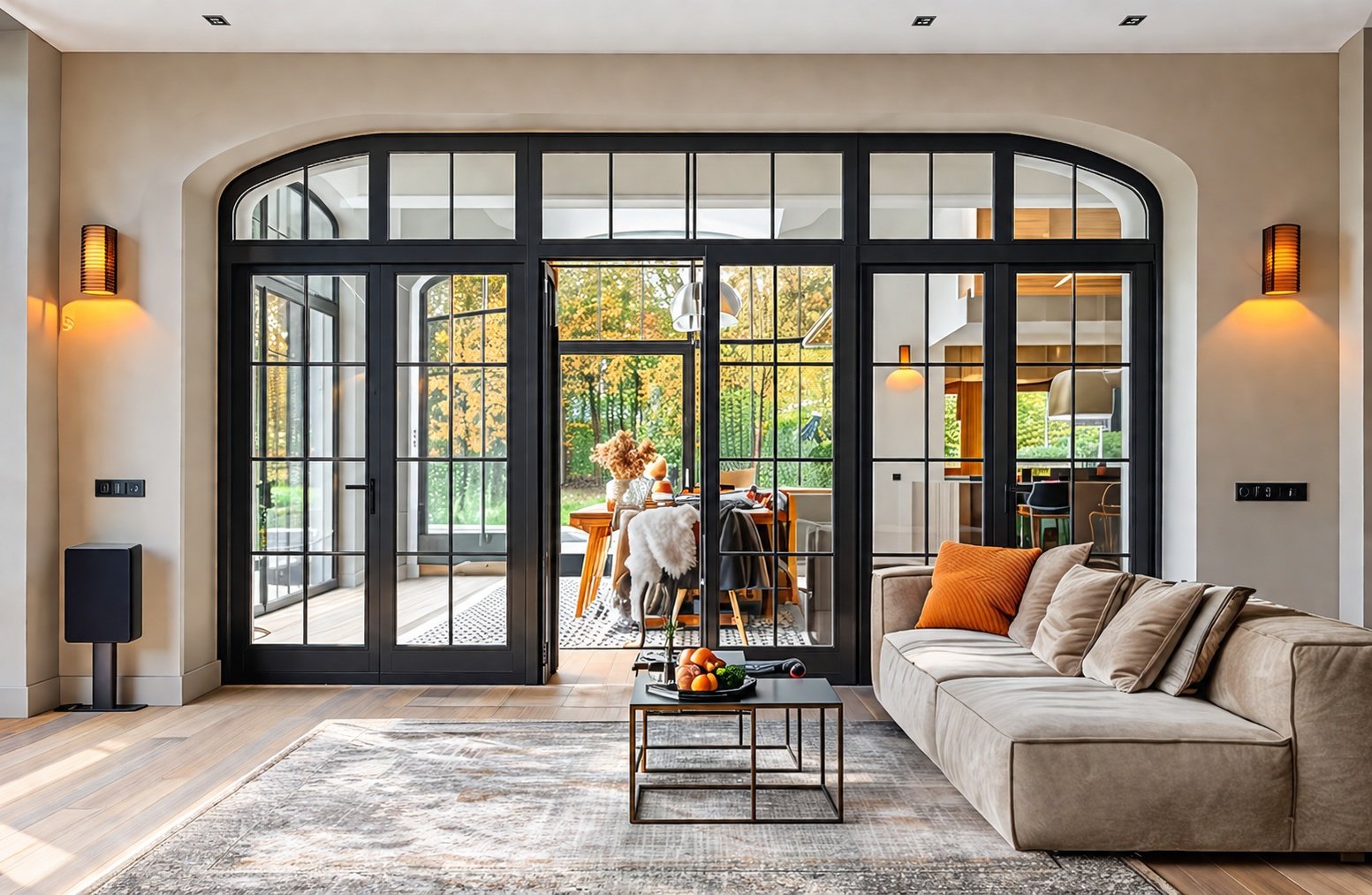
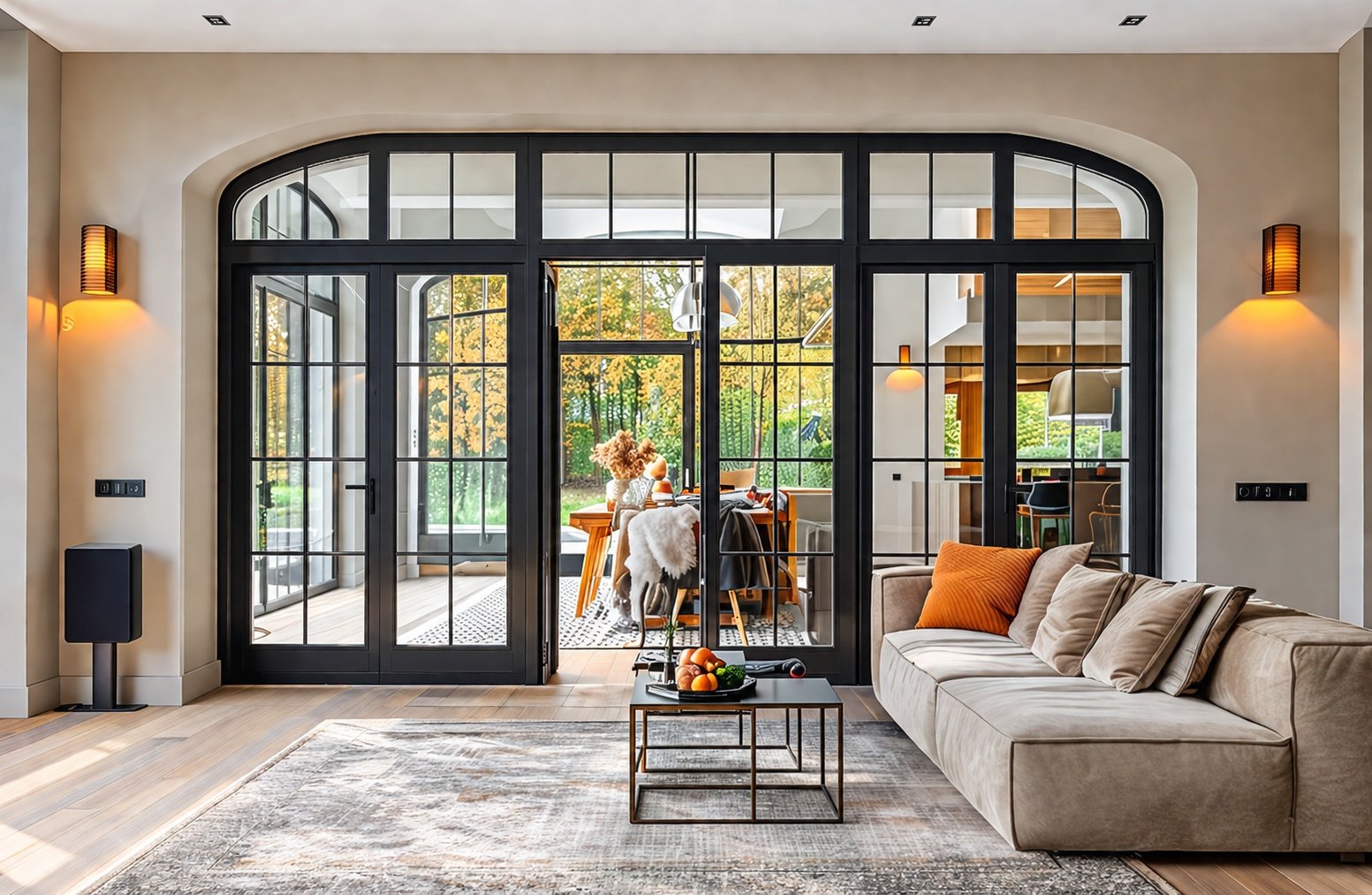
It is important to keep in mind that selecting a door is not only a matter of aesthetics. The correct selection must match the room, the available space, the degree of weathering, security, air circulation, and frequency of use. Glass casement doors are doors with a glass part and are opened either inwardly or outwardly on one side.
What Makes a Glass Casement Door Different?
The distinction lies in how the door opens. A casement door opens through the use of hinges while a sliding door travels along a rail. This gives it the advantage of a very large clearance space making it ideal for use in balconies, patios, bedrooms, side entry doors, utility spaces, and select exterior openings. However, even a well-designed door can cause problems due to bad alignment or poor seals in the frame. The government construction standards also focus on accurate openings, correct alignment, appropriate hardware, sealing, and installation of uPVC doors and windows.
Glass Choices Matter
Glass is another very important choice. Clear glass provides the best natural light, and tinted glass is useful in controlling glare. Obscure or frosted glass will add privacy in bathrooms or utility rooms. Safety glass or laminated glass might be an option to consider in terms of impact and security requirements. Inquire from the supplier about the glass type that would suit your size and location of the area. Do not evaluate quotations only based on the term "glass." Inquire about thickness, type, glazing, and if glass is included in the quoted price.
Glass Casement Door vs Sliding Door
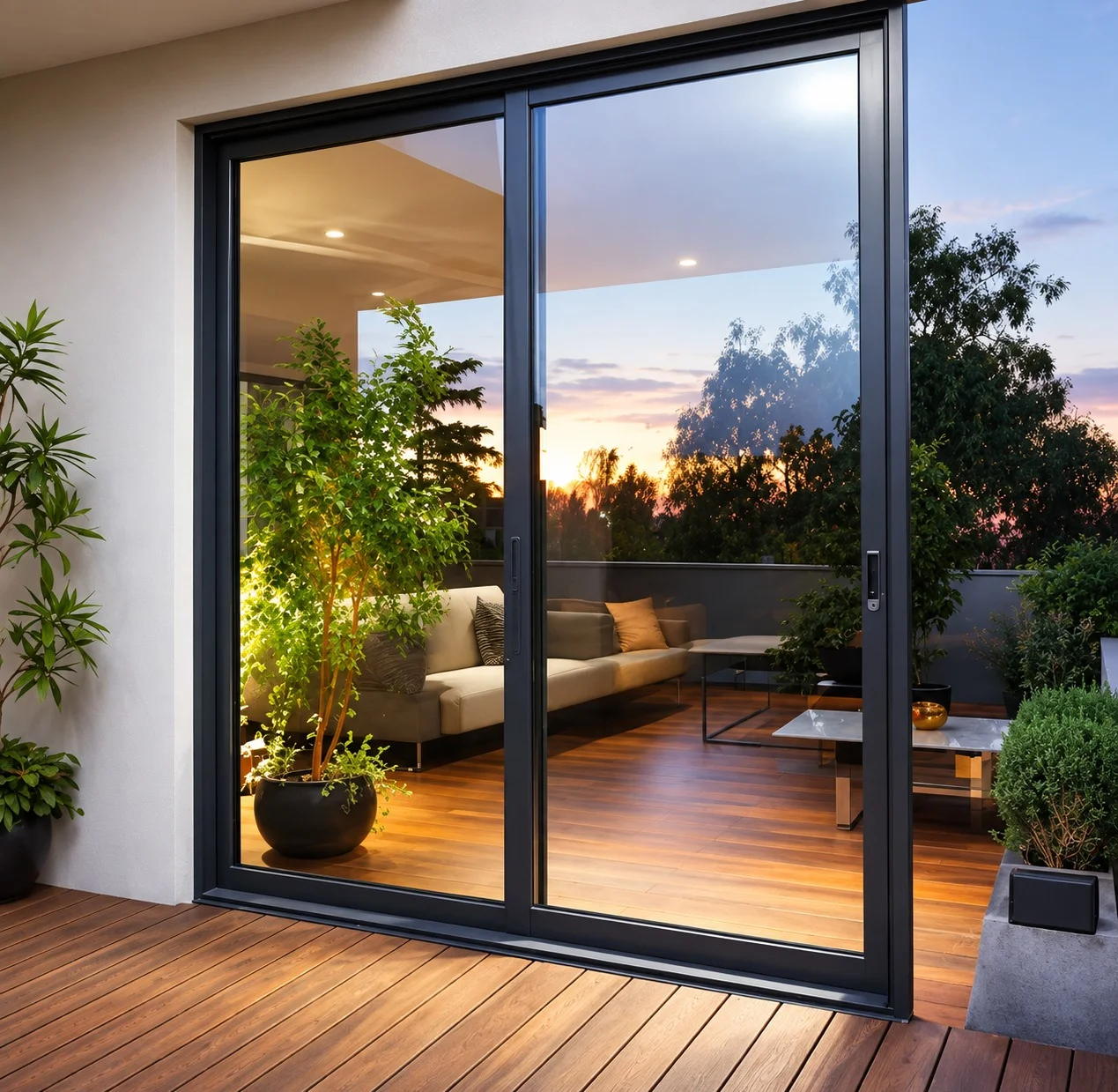
The sliding doors open in a horizontal direction and thus do not require any swing clearance. For this reason, the doors become a good choice in places where furniture, pathways, or small rooms restrict the opening area. The casement system offers a traditional appearance of the door while providing an effective seal along the perimeter when properly designed. The only drawback with the casement system is that you will have to keep some space on the floor for the shutters to open.
Glass Casement Door vs Aluminium Door
The doors made out of aluminium offer slenderness, strength, and modernity in terms of design. They can be suitable to large openings as well as to various styles of architecture. The uPVC casement systems are chosen by people who require durability, low maintenance, and sealing qualities. The profile, reinforcement, glass, hardware, manufacturing, and installation are important factors. In order to compare them equally, you should ask the manufacturers to provide you with identical specifications.
Glass Casement Door vs Wooden Door
Wooden doors have a traditional look and are compatible with classical decor styles. Nevertheless, they need proper consideration in terms of moisture, surface coating, expansion, and maintenance due to their material and location. The casement door made of uPVC will be easier to maintain and withstand typical moisture issues.
Cost: What Actually Changes the Price?
There is no specific rate for a casement door. It might be varied according to the size of opening, number of shutters, frame range, reinforcement, glass type, hardware, color, accessories, etc. As per the available market guidelines in India, there is great variation in the rate of the casement and uPVC door based on its specifications and not just its name. An interesting point of discussion would be to get a break-up quote for profiles, reinforcement, glass, hardware, gasketing, fabrication, transportation, installation, sealing, taxes, etc.
Key Takeaways
•Think about the complete assembly of the door and not just the frame alone.
• Take into account the type of glass being used and its thickness when pricing.
• It is necessary to include all the parts such as hinges, knobs, locks, and weather strips.
• Get the dimensions of the door frame right before production.
• Ensure that there is adequate room available for opening the door.
• See if there is any reinforcement in the case of big shutters.
• Ensure that installation and warranty are provided in writing.
• Select the specifications based on the climate and purpose of the room.
Where Does It Work Best?
A glass casement door could be appropriate for spaces that require daylighting and normal operation. These doors can work well for a balcony if there's enough space to swing them open, or they can be used as a side entrance, a door facing the garden, or as a transition between the inside and outside spaces. The glass casement door will not be appropriate where there is very little swing space due to space restrictions or furniture in the swing space, in which case, the sliding system will be more appropriate. While considering a glass door in Punjab and North India region, consider the aspect of sunlight direction, heat, dust, and rainy season during the selection of glass and seals.
FAQs
1. Can I use a glass casement door on my balcony?
Yes, provided the balcony is spacious enough for the shutter to open and the chosen profile, glass, hardware, and seals match the exposure.
2. Is the casement door superior to a sliding one?
Not necessarily. Sliding doors use less swing space while casement doors offer a traditional opening along with perimeter sealing.
3. How can I compare two quotations?
Fix the dimensions of the opening and compare the profiles, reinforcement, glass, hardware, gaskets, manufacture, installation, taxes, and warranty line by line.
4. Does the type of glass have an effect on cost?
Yes. Type of glass, thickness, glazing pattern, safety features, and finish might affect the whole quote.
5. What should I check before installing my product?
The size of the window, its state of being opened or closed, frame location, glass, hardware, sealing process, and warranty should be checked.